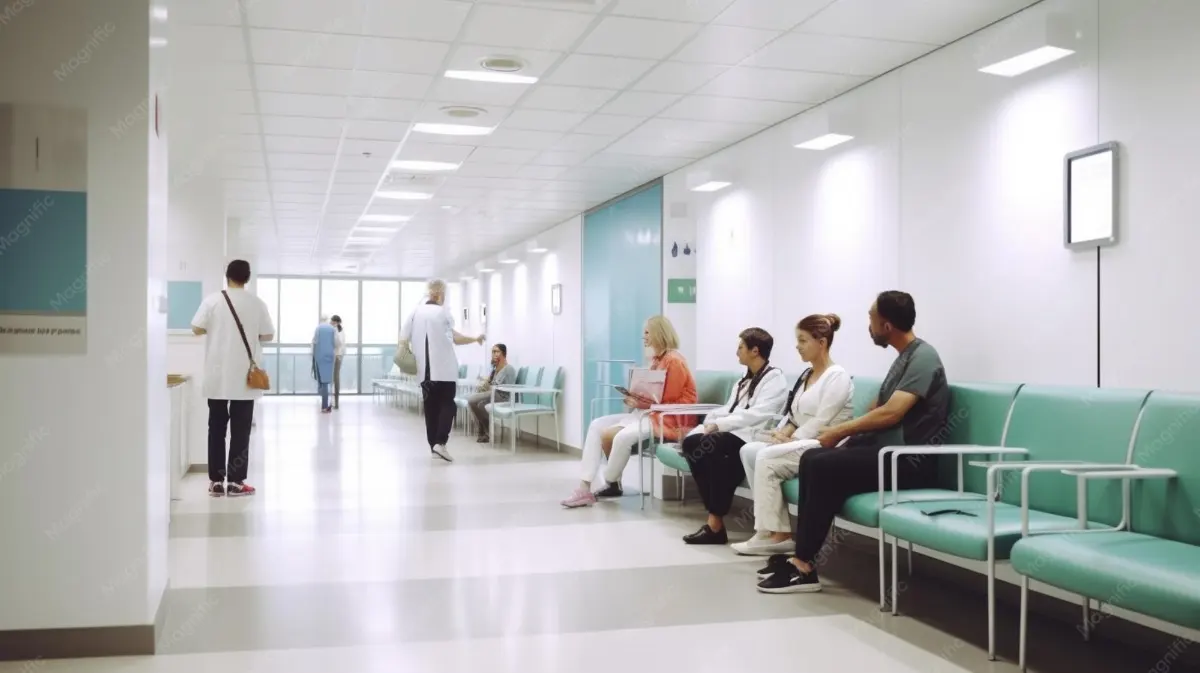
When someone is in the hospital, paperwork often becomes urgent: a power of attorney so a family member can pay bills, an advance health care directive, or a document that can't wait until discharge. A mobile notary can come to the bedside so the patient doesn't have to go anywhere.
Here's how hospital notarizations work in California and how to prepare.
Can a notary come to the hospital?
Yes. A mobile notary can meet the patient in their room at any hospital, nursing home, rehab center or care facility in San Diego County. We regularly visit hospitals across the county, including Sharp, Scripps, Kaiser, UC San Diego Health, Palomar, Rady Children's and the VA. See our hospital notary service page for the full list.
It's a good idea to let the nurse's station know a notary is coming, especially during shift changes or visiting-hour restrictions.
What the patient needs
1. Acceptable ID
The patient needs a current government-issued photo ID (or one issued within the last five years). A hospital wristband or insurance card can't be used.
If the patient's ID is missing or too old, California allows credible witnesses to identify them under oath. See What ID Do I Need for a Notary in California? for the rules.
2. Awareness and willingness
The notary must be satisfied that the patient understands what they are signing and is signing willingly. The notary will usually talk with the patient briefly before starting.
A notary isn't a doctor and doesn't make medical judgments about capacity. But if the patient is heavily sedated, confused, or can't communicate, the notary must decline. In that case, it's best to reschedule for a time when the patient is more alert.
3. The ability to sign
If the patient can't write their full signature, California allows a signature by mark (such as an "X"), witnessed by two people who also sign. Let us know ahead of time so we can plan for the extra witnesses.
Common documents signed in the hospital
- Durable power of attorney for finances
- Advance health care directive
- HIPAA authorizations and medical release forms
- Grant or quitclaim deeds
- Trust documents and certifications of trust
- Vehicle and bank forms a family member needs to handle affairs
For more on these, see Estate Planning Documents That Need a Notary in California.
Witness rules to know
If a health care directive is signed with witnesses instead of a notary, California doesn't allow the patient's health care provider, or an employee of that provider, to be one of the witnesses. Using a notary avoids that issue.
Skilled nursing facility? California also requires a patient advocate or ombudsman to witness an advance health care directive signed in a skilled nursing facility, even when it's notarized. Arrange that before the appointment.
Tips for a smooth hospital visit
- Have the documents ready and filled in. No blank spaces, and don't sign ahead of time.
- Find the patient's ID before the notary arrives.
- Pick a good time. Avoid medication times and doctor rounds when you can.
- Have everyone who needs to sign present. That includes the patient, any witnesses and any other signers.
- Tell us the room number and any visitor rules when you book.
Available 24/7, including nights and weekends
Hospital paperwork doesn't wait for business hours. We're available 24/7 by appointment, with same-day visits to hospitals and care facilities throughout San Diego County.
This article is general information, not legal advice.