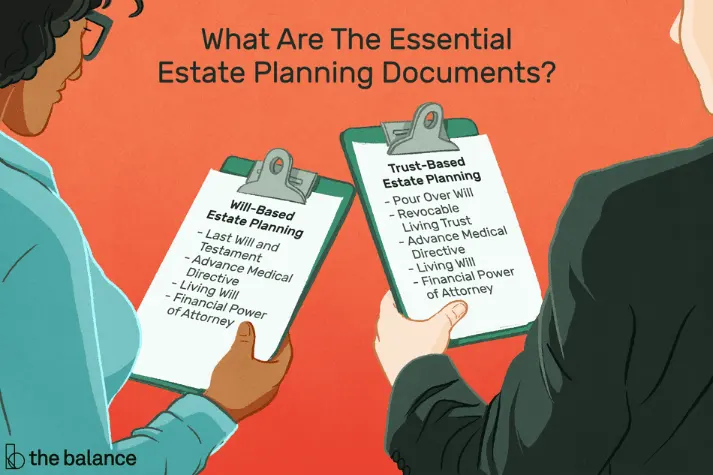
Estate planning documents protect you and your family, but only if they're signed correctly. California has different signing rules for each type of document, and some can be signed in front of a notary or witnesses.
Here's a simple overview of the most common estate planning documents and how they're usually signed.
Durable power of attorney (finances)
A durable power of attorney lets someone you choose manage your finances if you can't.
In California, it's generally valid if it's acknowledged before a notary or signed in front of two qualified witnesses. Notarization is strongly recommended. Banks and financial institutions often prefer a notarized power of attorney, and one used for real estate must be notarized to be recorded with the County Recorder.
Advance health care directive
An advance health care directive names someone to make medical decisions for you and records your wishes for care.
It's valid in California if it's acknowledged before a notary or signed by two qualified witnesses.
Signing in a nursing home? If the patient is in a skilled nursing facility, California also requires a patient advocate or ombudsman to sign as a witness, even if the document is notarized. Plan ahead so the ombudsman can be there at the same time.
Living trust
A revocable living trust lets your assets pass to your beneficiaries without going through probate court.
The trust document itself isn't always legally required to be notarized, but notarizing it is standard practice and makes it easier to use with banks and title companies. Related documents often do require a notary, including:
- Deeds transferring your home into the trust
- Certification of trust, used to show a bank the trust exists without sharing the full trust
Wills
A will is the one estate planning document that usually doesn't need a notary in California. A typed will is generally signed in front of two witnesses. Some attorneys add a notarized self-proving section, so follow your attorney's instructions.
Property deeds
Any deed that will be recorded with the San Diego County Recorder, such as a grant deed or quitclaim deed, must be notarized.
Signing in a hospital or at home
Estate planning often happens at difficult moments: a hospital stay, a new diagnosis, or caring for an aging parent. A mobile notary can come to the hospital, nursing home, care facility or home, so the signer doesn't have to travel.
To make the appointment go smoothly:
- Make sure the signer is alert and able to understand what they're signing.
- Have a valid ID for each signer (or arrange credible witnesses).
- Have documents prepared and complete before the notary arrives.
- For nursing home directives, arrange the ombudsman in advance.
We're here 24/7
Mobile Notary Public SD notarizes estate planning documents throughout San Diego County, including hospitals, nursing homes and private homes, 24/7 by appointment.
This article is general information, not legal advice. For help choosing or preparing estate planning documents, consult a California estate planning attorney.