Jail & Detention Center Notary
Jail Notary in San Diego
Need a document notarized for someone in custody? We come to jails and detention facilities across San Diego County for powers of attorney, deeds, affidavits and more, with discreet, professional service that follows each facility's rules.
- All county facilities
- Confidential
- Available 7 days
Documents we notarize for people in custody
The paperwork families most often need while a loved one is in jail or detention.
Power of attorney
So family can manage bank accounts, bills, a car or a home
Grant & quitclaim deeds
Transferring or protecting real estate
Affidavits & declarations
Sworn statements for court or other agencies
Vehicle release forms
Authorizing someone to retrieve or sell a vehicle
Child care & travel consent
Authorizing caregivers or a child's travel
Facilities we serve
We serve jails and detention facilities throughout San Diego County, including:
Downtown San Diego
- San Diego Central Jail
- Metropolitan Correctional Center (MCC)
- Western Region Detention Facility
Otay Mesa & South Bay
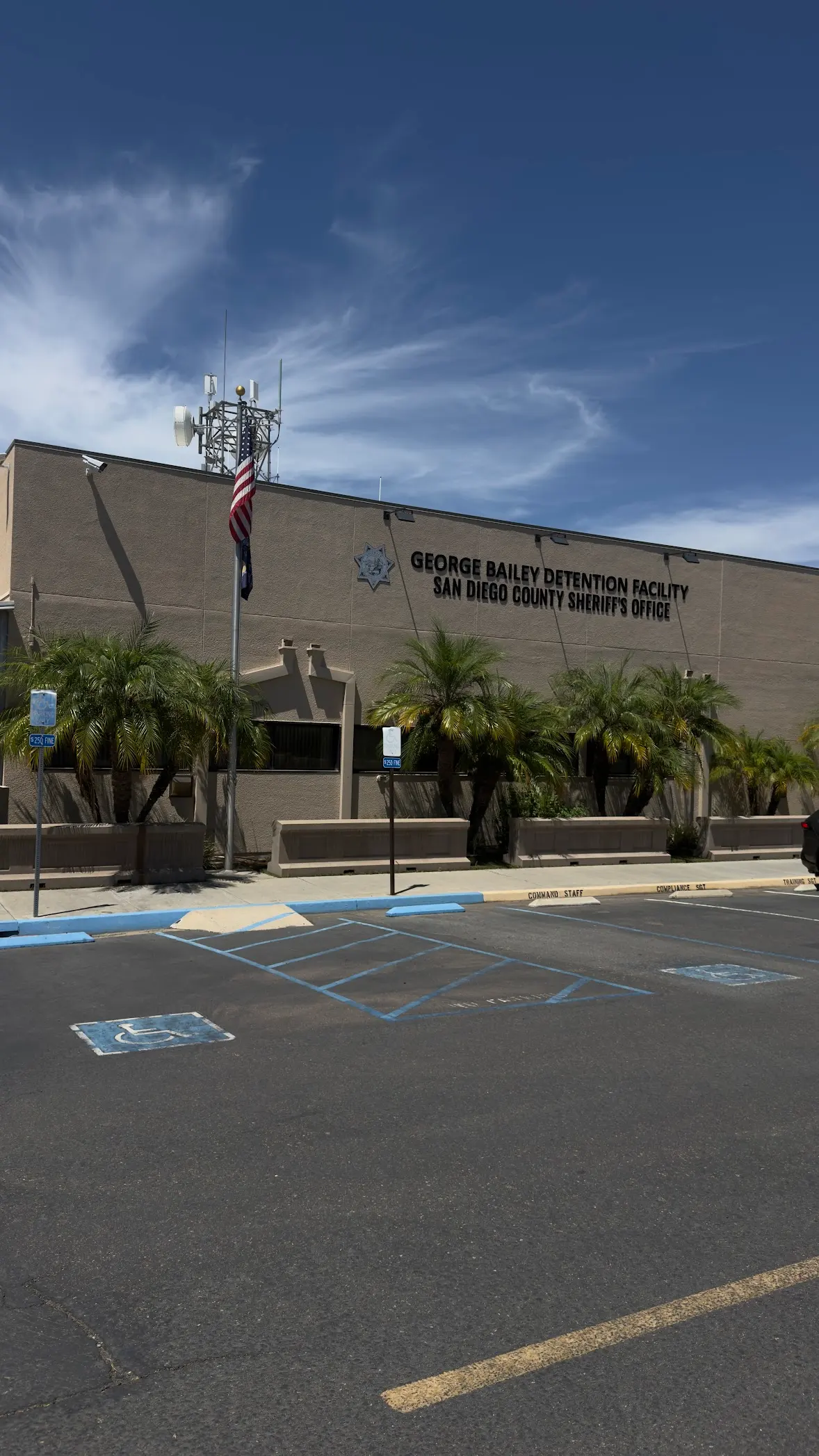
- George Bailey Detention Facility
- East Mesa Reentry Facility
- Rock Mountain Detention Facility
- Otay Mesa Detention Center
- South Bay Detention Facility
East & North County
- Las Colinas Detention & Reentry Facility (Santee)
- Vista Detention Facility
Don't see the facility? Call 619-665-4471 and we'll tell you how we can help.
How a jail notarization works
Every facility has its own visiting rules. We'll help you through them.
Call us first
Tell us the facility, the person's full name and booking number, and the documents. We'll explain what that facility requires and give you the total price.
Arrange the visit
Most facilities require a professional visit to be scheduled or approved ahead of time. Timing depends on the facility, so call as early as you can.
Prepare the documents
Documents should be completely filled out and unsigned. Facilities control how papers are passed to the person in custody, and we follow their procedure.
We notarize at the facility
We verify identity, watch the signing and complete the notarization, then return the documents to you.
What ID does the person need?
People in custody usually don't have their driver's license with them. California allows a notary to accept:
- An inmate ID issued by the Sheriff's Department, for someone in a local jail
- An inmate ID issued by the California Department of Corrections, for someone in state prison
- Credible witnesses who personally know the signer, if no ID is available
See acceptable ID in California for the full rules.
Good to know
A notary can't give legal advice or help decide which documents you need. For questions about a case, bail or what a document should say, talk with an attorney first.
Jail notary FAQs
Can a notary come to a jail in San Diego?
Yes. We visit jails and detention facilities across San Diego County. Each facility sets its own rules for professional visits, and we'll help you understand what's needed.
What if the person in jail doesn't have a driver's license?
California allows notaries to accept an inmate ID issued by the Sheriff's Department for someone in a local jail, or by the Department of Corrections for someone in state prison. Credible witnesses can also be used.
How soon can you notarize at a jail?
It depends on the facility's scheduling and approval process. Some visits can happen quickly, others take a few days to arrange. Call us as soon as you know you need a notary.
Can the documents be signed through the glass?
The notary has to see the person sign and verify their ID. How documents are handed over is controlled by the facility, and we follow their procedure.
How much does a jail notary cost?
The notary fee per signature is set by California law. Jail visits usually include a higher travel fee because of check-in and wait times. We give you the total before the visit.
Need a notary at a jail or detention center?
Call us and we'll walk you through the facility's process and the next steps.
Call 619-665-4471Book OnlineThis page is general information, not legal advice. Facility rules change, so confirm visit requirements with the facility.